Understanding the House Edge
The house edge is a fundamental aspect that every gambler must understand when participating in games of chance. This concept represents the mathematical advantage that casinos hold over players, ensuring that, over time, the house will always profit from the games offered. The percentage of the house edge varies significantly from one game to another; for example, while slot machines often have a higher house edge, table games like blackjack can offer much lower advantages when played with optimal strategies. Players looking for the best online casino australia should take note of these variances, as certain games can provide them with a better opportunity to minimize losses or even achieve profits over time.
To effectively combat the house edge, players should prioritize games with the lowest house advantages. Games like blackjack and video poker can boast a house edge of less than one percent when played correctly. This understanding empowers players to make informed decisions about where to place their bets, ultimately increasing their chances of long-term success. Recognizing the significance of the house edge also aids in setting realistic expectations; being aware that the house edge is inherent in every game can promote smarter bankroll management and help reduce the temptation to chase losses.
Moreover, grasping the house edge enables players to devise a strategic approach to gambling. For instance, knowledge of how odds work across various games can guide players in making betting choices that align with their risk tolerance and gaming goals. By concentrating on games with lower house edges and applying effective strategies, players can create a more favorable stance for themselves, thereby enhancing their overall gambling experience.
Bankroll Management Strategies
Effective bankroll management is crucial for any gambler aiming to mitigate the house edge. Establishing a budget for gambling activities and adhering to it is essential. By defining clear limits on how much money can be spent during a gaming session, players can shield themselves from overspending and the emotional fallout that can result from significant losses. Thoughtful budgeting ensures that individuals can enjoy their gaming experience without the stress of financial strain, fostering a healthier gambling environment.
Another vital element of bankroll management is determining the size of individual bets based on the total bankroll. A common guideline suggests wagering only a small percentage of the available funds, allowing for extended playtime while minimizing the risk of quickly depleting those funds. For example, if a player starts with a bankroll of $1,000, they might choose to bet between $10 and $20 per game, enabling numerous plays without the immediate threat of bankruptcy. This strategy also offers players more opportunities to experience winning streaks and recover losses over time.
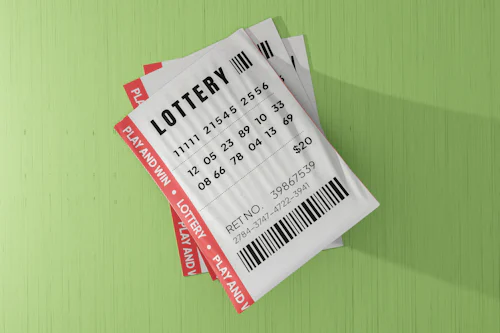
Additionally, players should consider tracking their spending and winnings diligently. By maintaining a record of bets placed, wins, and losses, gamblers can identify patterns in their gameplay, ultimately aiding in refining their strategies. This approach not only reinforces budgeting discipline but also assists in understanding the effectiveness of different game tactics, allowing players to make informed adjustments as necessary. By being mindful of their bankroll, players can create a more sustainable gambling experience that enhances their enjoyment.
Optimal Game Selection
Selecting the right games to play is a critical strategy for reducing the house edge. Not all casino games are equal; some inherently provide better odds for players than others. For instance, table games generally offer a more favorable environment compared to slot machines. While slots can be entertaining and visually appealing, they usually come with a much higher house edge, jeopardizing a player’s chances of achieving long-term success.
Players should also take into account the skill levels required for various games. Skill-based games like poker allow knowledgeable players to outmaneuver opponents and, at times, the house. In contrast, games such as roulette or baccarat rely more heavily on luck and chance. By focusing on skill-based games, players can exert some control over their outcomes, which can lead to more advantageous positions in their efforts to beat the house edge.
Finally, understanding the rules and strategies of each game can significantly enhance a player’s chances of success. Dedicating time to practice and research optimal strategies for games like blackjack and video poker allows players to employ tactics that can effectively minimize the house edge. For example, knowing when to hit or stand in blackjack can directly influence the odds, empowering players to make decisions that maximize potential payouts while reducing losses.
Using Strategies and Betting Systems
Among the various methods to combat the house edge, utilizing betting systems and strategies is a popular choice among seasoned gamblers. Systems such as Martingale, Fibonacci, or Paroli can help players manage their betting patterns based on their wins and losses. While no system guarantees success, they can provide structure to gameplay, enabling players to potentially recover losses or take advantage of winning streaks. Understanding the mechanics of these systems can lead to a more strategic approach to gambling.
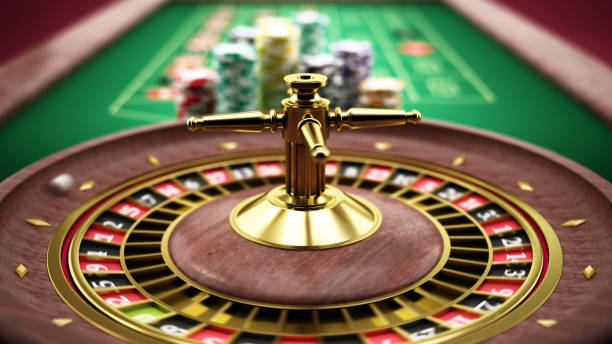
It is crucial to approach these betting systems with caution and a clear understanding of their limitations. For example, the Martingale strategy involves doubling bets after every loss, which can quickly escalate financial risk, especially during prolonged losing streaks. Ensuring that players are aware of when and how to apply these strategies is vital for maintaining a balanced and responsible gambling approach. This awareness can significantly impact their overall experience and success.
Moreover, flexibility is essential when employing these strategies. The gaming environment is inherently unpredictable, and players must be prepared to adjust their systems or strategies as circumstances change. By remaining adaptable and responsive to the outcomes of their games, gamblers can develop a strategic mindset that enhances their play and reduces the overall impact of the house edge. This adaptability can prove invaluable in navigating the complexities of gambling.
Conclusion: Building a Responsible Gambling Approach
In summary, beating the house edge in gambling requires a multifaceted approach that includes understanding the house advantage, practicing effective bankroll management, selecting the right games, and employing calculated strategies. Gamblers should prioritize education and awareness about the games they choose to play, as this knowledge serves as the foundation for making informed decisions. By understanding the odds, players can navigate the world of gambling with greater confidence and purpose.
Furthermore, maintaining a responsible attitude towards gambling is essential for a positive experience. Setting limits, tracking expenses, and remaining aware of personal behaviors can help prevent gambling from becoming problematic. By fostering a mindful approach to gambling, players can enjoy their experiences while simultaneously striving to minimize the impact of the house edge, ensuring that gaming remains a source of entertainment rather than stress.
For those interested in learning more about effective gambling strategies and enhancing their gaming experiences, our website offers a wealth of resources. Comprehensive guides, tips, and insightful articles are available to assist both novice and experienced players in navigating the intricacies of gambling. We are dedicated to providing valuable insights that empower our readers to make informed choices and enjoy a rewarding gaming journey that prioritizes fun and responsible play.